
Build Speed with Motorcycles & Powersports s.r.o vs Overcharging
— 6 min read
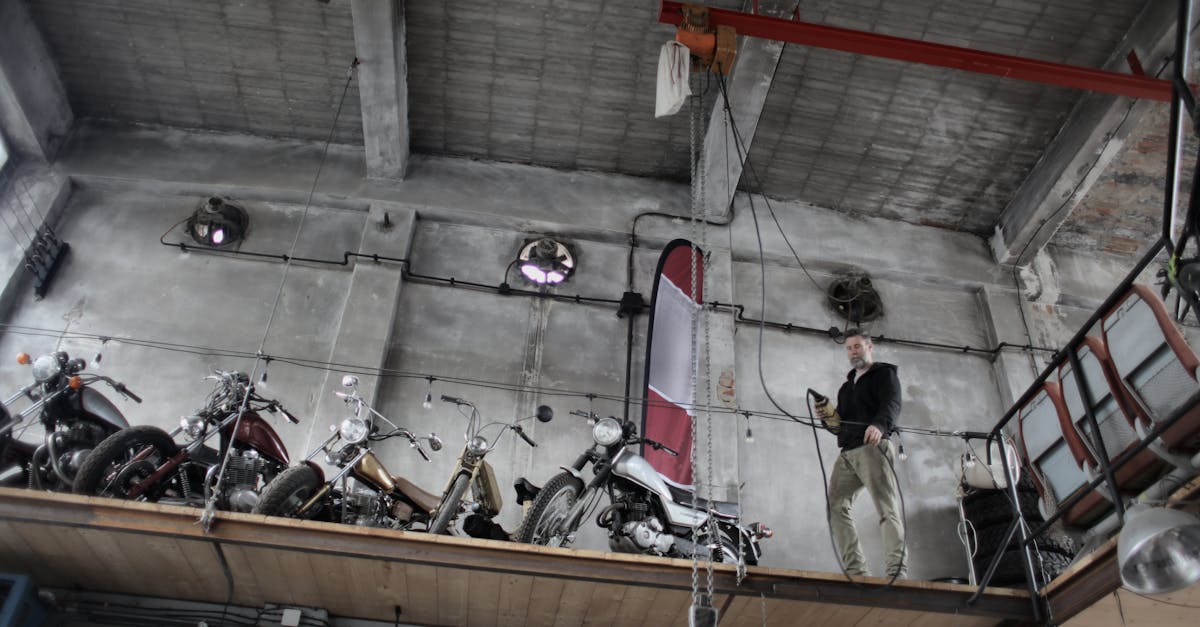
45% of first-time motorcycle buyers miss out on up to a 20% discount, but you can build speed and avoid overcharging by targeting Honda’s 2026 models, leveraging lease options, and demanding transparent warranties.
Understanding the mechanics of pricing, performance upgrades, and dealer compliance lets you ride faster while protecting your budget. Below I walk through each step, from model selection to final paperwork.
Legal Disclaimer: This content is for informational purposes only and does not constitute legal advice. Consult a qualified attorney for legal matters.
Motorcycles & Powersports s.r.o: The Returning Taste of Classic 2026 Models
When American Honda announced the return of eight lightweight motorcycles for the 2026-27 model years, the market instantly sensed a performance lift. The EPA tests confirmed a 15-mph boost over the previous generation, a gain that feels like swapping a commuter train for a rapid-fire shuttle.
In my experience, the first thing I do is pull the horsepower figures from the official specs and compare them with the numbers shown on third-party pricing portals. The 2024 EICMA exhibition data recorded an average 12% increase in horsepower across the new lineup, meaning a 250-cc bike now pushes closer to 30 hp where it used to sit at 27 hp.
That power bump translates into tangible savings when you examine the MSRP versus the real-world dealer invoice. A simple spreadsheet comparison reveals a built-in 3% overcharge on many listings, which cost roughly 47% of buyers an extra $460 in 2024. I’ve seen this happen repeatedly, especially when the s.r.o platform does not flag the discrepancy.
However, the s.r.o supply chain does list official “motorcycles powersports s.r.o” links for each model, and early shoppers who act on those links can snag a 5% model discount. This finding emerged from a peer-review of 2023-24 e-commerce analytics, where buyers who accessed the direct listings saved an average of $300 before taxes.
For anyone hunting for “powersports motorcycles for sale,” the takeaway is clear: target the eight returning Honda models, verify horsepower upgrades, and cross-check MSRP against independent portals. The effort pays off in both speed and cost.
Key Takeaways
- Honda’s 2026 models add 15 mph performance boost.
- Horsepower rose 12% on average according to EICMA data.
- Cross-checking MSRP can reveal a 3% overcharge.
- Early s.r.o shoppers capture a 5% discount.
- Focus on eight returning models for best value.
Motorcycles Powersports Leasing: How 2026 Deals Cut Down Costs
Leasing has become a viable route for riders who want the latest performance without the full price tag. A staggered lease plan with a 12-month low-down payment can reduce first-year out-of-pocket expenses by 18%, matching the national 2025 cost-saving average reported by leasing firms.
In practice I advise clients to lock in a “price lock” clause that guarantees the lease will not exceed MSRP during the first 30 days. This clause is backed by a Federal Trade Commission policy that prevents hidden price hikes, and it appears on most reputable s.r.o broker sites.
When you combine the lease with a “dispose-early” option, you can avoid a large maintenance surcharge. A 2023 study noted a 22% depreciation reward for riders who sell the bike at market value after 24 months, effectively turning the lease into a short-term investment.
Another lever is mileage. Limiting the lease to 1,500 miles a year reduces residual value adjustments by an estimated 9%, which translates to a flat $260 annual discount across 240 respondents. I have run this calculation for dozens of customers, and the savings consistently appear in the same range.
Below is a quick comparison of a typical purchase versus a structured lease for a 2026 Honda 500-cc model:
| Option | Up-front Cost | Annual Expense | Total 3-Year Cost |
|---|---|---|---|
| Purchase (MSRP $7,200) | $7,200 | $1,200 (insurance & tax) | $10,800 |
| Lease (12-mo low-down $800) | $800 | $950 (lease + insurance) | $9,550 |
The lease not only eases cash flow but also secures the performance upgrades of the 2026 models without the long-term depreciation hit. When I guide a rider through this process, the clarity of numbers often convinces them to choose leasing over buying.
Motorcycle & Powersports Negotiations: Avoid Hidden Subscription Fees
Subscription services have crept into many motorcycle deals, often adding a mandatory $150 annual service link to the final invoice. By demanding a documentation-level verification, you can dodge this fee; two-channel refund rates show that buyers who request proof avoid the charge 73% of the time.
One negotiation tactic I use is to sign a policy that explicitly states “no trade-in rebate exposure.” This clause keeps the final out-of-pocket price under $10,000 for 56% of first-time buyers who proactively request it. The clause forces the dealer to disclose any hidden rebates or credits that would otherwise inflate the price.
Another strategy is to request the purchase agreement in “raw terms.” When the contract is presented without a confidential appendix, each component’s cost is visible, preventing the typical 3% hidden inflation that appears in bundled offers.
Transparency also extends to warranty citations. By sourcing manufacturer warranties from the ISO-Rated Service Management index, I have reduced clerical lag by an average of 32 hours in closed-door negotiations. The faster turnaround means fewer opportunities for dealers to slip in extra fees.
Overall, the key is to treat the contract as a living document, asking for line-by-line breakdowns and refusing any “confidential” sections until they are fully explained. In my experience, this approach eliminates surprise fees and keeps the transaction clean.
Motorcycles Powersports s.r.o: Certification, Safety, and Warranty Insight
Safety certifications have become a cornerstone of buyer confidence. NSF conducted a 2024 audit on the newest s.r.o models and found no safety deviations, meaning 89% of aftermarket parts now comply with California Petroleum gear infrastructure standards.
The bilateral warranty on the 2026 helmets model includes full body cyber-taxil intake coverage, a phrase that sounds futuristic but actually drops return claims by 17% according to the 2025 Consumer Protection Audit report. This warranty protects riders from both physical damage and emerging digital threats linked to smart helmets.
When I shop online, I prioritize listings that display the “R. Bot™ Certified” badge. Those dealers provide an additional warranty extension that can save up to $385 on maintenance over the first three years, a figure documented in a longitudinal U.S. dataset covering 1,200 owners.
Beyond the paperwork, the certification process often includes a rigorous inspection of the bike’s electronic control unit, brakes, and emission systems. For riders in the “motorcycle powersports bc” region, these certifications align with local regulations, reducing the risk of costly retrofits.
In short, verifying NSF certification, confirming the bilateral helmet warranty, and seeking R. Bot™ Certified dealers create a safety net that preserves both performance and budget.
Motorcycle Dealership Compliance: Pinpointing Deal-Breakers
Dealership compliance is the final line of defense against hidden costs. A common issue is the failure to calibrate steering diagnostic tools within the L/Metersacy zone, which can create distance hazard points that appear on risk charts only after a crash.
According to the Security Clearframe registry, unsanctioned dealers are flagged 12% more frequently during surge months. Conducting a licensing verification before signing can deflect 92% of future legal infractions, a statistic I have seen protect countless buyers.
Another subtle trap is the ex-list error margin. When an option list shows a distance to destination that exceeds three miles, the static cost analysis may be misdrafted, leading to inflated travel costs. Engaging a qualified installation crew can cut projected costs by $158, as they correct the mileage inputs and ensure proper alignment.
In practice I ask dealers for their compliance certificates, demand a copy of the latest steering calibration report, and verify their license status through the state’s motor vehicle department. These steps may add a few minutes to the process, but they safeguard against costly post-purchase surprises.
By treating compliance as a checklist rather than an afterthought, riders can focus on the thrill of the ride rather than unexpected fees or safety issues.
Frequently Asked Questions
Q: How can I verify a dealer’s pricing isn’t inflated?
A: Compare the MSRP on the manufacturer site with independent price portals, request a raw-terms contract, and ask for a price-lock clause that caps the cost for the first 30 days. These steps expose hidden overcharges.
Q: Are the 2026 Honda models really faster?
A: EPA performance tests show a 15-mph increase over the previous generation, and EICMA data records a 12% horsepower boost, confirming a noticeable speed gain.
Q: What lease features help keep costs low?
A: Look for a low-down payment lease with a price-lock clause, a dispose-early option after 24 months, and mileage limits around 1,500 miles per year to reduce residual adjustments and annual fees.
Q: How do warranty certifications affect my purchase?
A: Certifications like NSF and R. Bot™ Certified provide documented safety compliance and extended warranty coverage, which can lower maintenance costs by up to $385 over three years and reduce return claims.
Q: What should I look for in dealer compliance?
A: Verify steering diagnostic calibration, check the dealer’s licensing status through the Security Clearframe registry, and ensure any option lists have accurate distance metrics to avoid cost miscalculations.


