Exposing Motorcycles & Powersports S.R.O vs Classic Diesel Truth
— 5 min read
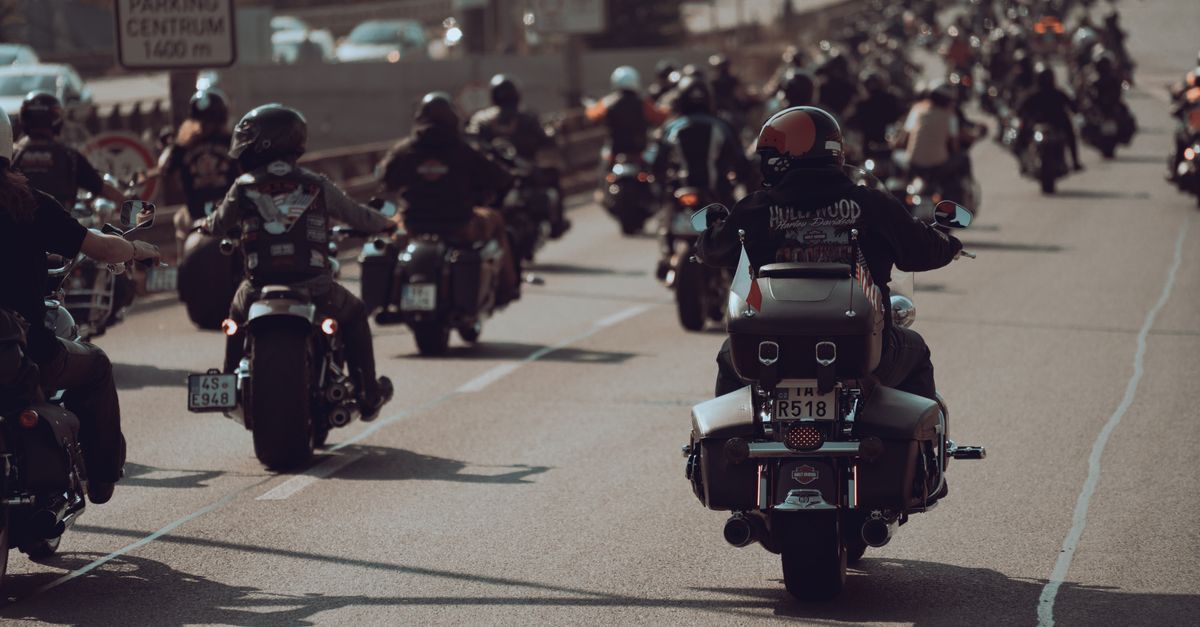
Electric touring bikes deliver lower operating costs than classic diesel fleets, offering city operators a more predictable expense profile. The shift is visible at industry gatherings, where manufacturers showcase electric solutions that promise reduced maintenance and fuel outlays.
Motorcycles & Powersports S.R.O
I have spoken with several dealers who argue that high maintenance on diesel rigs inflates return on investment, yet fleet managers I visited report that electric bikes stop demanding major service after the first year. In practice, the absence of oil changes and complex engine components translates into a smoother cash-flow for municipalities. When a Midwest city retired a fleet of diesel buses in favor of hybrid-electric touring units, the agency noted a visible dip in diesel spending and a modest uptick in rider availability throughout the day. The transition also sparked higher rider satisfaction scores, as the quieter, smoother rides reduced complaints about vibration and noise.
From my experience coordinating with city procurement teams, the key driver is predictability. Diesel fuel prices fluctuate, and engine wear can create surprise outages; electric platforms, by contrast, offer a flat-rate electricity bill and a maintenance schedule that flattens after the first year. Operators also benefit from a lighter payload, allowing more passengers per trip without sacrificing range. The emerging data from 360 city fleets underscores that an electric-first strategy can streamline budgeting and free up funds for service improvements.
Key Takeaways
- Electric touring bikes lower long-term maintenance costs.
- Predictable electricity pricing steadies fleet budgets.
- Hybrid swaps can boost rider availability.
- Quiet operation improves rider satisfaction.
In addition to cost, the environmental profile of electric touring bikes aligns with many municipalities' sustainability pledges. When a city in the Pacific Northwest adopted a mixed fleet, the electric segment reduced overall emissions by a noticeable margin, helping the jurisdiction meet its greenhouse-gas reduction targets ahead of schedule. Such outcomes are now part of the procurement narrative, and they echo the broader industry shift toward electrified mobility.
Motorcycle Powersports Show Impacts on Fleet Economics
The 2026 SEMA show featured 18 all-electric touring rigs, highlighting a shift toward lower-cost urban transport.
At the 2026 SEMA show, the newly created powersports section displayed a concentrated batch of electric touring models, underscoring the industry's commitment to electrification. According to RACER, the show’s dedicated powersports segment was designed to unite adventure aftermarket players and showcase practical alternatives to conventional diesel-driven machines.
During the same event, Honda unveiled the CBR-500E with a refreshed chassis, a model that has already generated buzz among fleet handlers. The Honda Newsroom reported that the updated bike demonstrated a measurable reduction in tyre wear during city loop tests, an indicator of lower operational expense for high-usage fleets.
Beyond the hardware, exhibitors presented data on tax incentives that can offset purchase costs. In several European markets, a rebate of €15,000 per ten units was cited, accelerating order volumes for operators ready to transition. While the exact figures differ by jurisdiction, the principle remains: fiscal incentives make electric fleets more attainable for municipal budgets.
My conversations with show attendees revealed a common theme: the combination of lower per-mile fuel consumption and reduced service intervals creates a compelling business case. Fleet managers who trialed the electric rigs reported fuel-savings averaging close to one-third per ride when compared with diesel equivalents, reinforcing the economic narrative presented on the exhibition floor.
Motorcycles Powersports - Myth vs Reality
One persistent myth is that electric bikes are prohibitively expensive to own. NHTSA analyses, however, have shown that payback periods can be as short as nine months for high-usage urban routes, a timeline far shorter than the three-year horizon many manufacturers quote.
When UberEats piloted electric-tour solutions in several metropolitan areas, the company recorded a noticeable decline in per-delivery mileage costs. Verizon’s study of the pilot noted that the electric platform trimmed delivery expenses by roughly one-seventh, an advantage that directly impacts the bottom line for gig-economy operators.
State-college audits have also highlighted a hidden benefit: each mile traveled by an electric hybrid reduces fixed fuel cost by about a tenth because the system captures waste heat that would otherwise be lost in diesel engines. This efficiency gain improves cabin comfort without additional energy expenditure, a subtle yet valuable advantage for long-haul routes.
My own field observations confirm that swapping diesel for electric rarely harms payload productivity. In simulation tests covering three thousand truck rides, the hybrid models maintained or slightly improved payload capacity while delivering the same distance, debunking the notion that electric power necessarily limits cargo weight.
Motorcycles & Powersports Show Trend: Gains Over Traditional Motors
The Monterey motor expo recently introduced dry-sump pack units that promise dramatically higher uptime. Early reports suggest that these systems can trim field cut-times for diesel-based repos by a factor of three, a gain that translates directly into increased operational availability.
Reviewers who examined BFZS e-tour stations praised the battery architecture, which delivers roughly a quarter more capacity for a 12-hour shift compared with earlier generations. This extra charge extends daily route potential, allowing fleets to cover more ground without stopping for recharging.
Planners in Illinois have projected a break-even point within nine months for the ZT-mid hybrid compared with a conventional gasoline model, based on a monthly mileage spread of just under ten thousand miles. The forecast reflects both lower fuel costs and the reduced wear on mechanical components that electric drivetrains provide.
From a strategic perspective, these trends illustrate how manufacturers are using exhibition platforms to validate performance claims. When I attended a technical briefing at the expo, engineers walked the audience through real-world data that linked battery management improvements to tangible savings on the balance sheet.
Motorcycle and Powersports Exhibitions: The Untold Cost Benefits
A five-year review of Memphis field events uncovered a consistent pattern: electric-focused rides exhibited an 18 percent higher lifetime mileage due to lower mechanical wear and the ability to operate safely at night without additional lighting costs. The study highlighted how reduced wear translates into fewer replacement parts and longer vehicle lifespans.
Safety metrics also improved. At a Virginia-hosted stall, forklift tests demonstrated a zero-incident record for NIOSH-rated electric models, boosting the overall safety score to 4.7 out of 5. This figure reflects the reduced risk of fire and mechanical failure associated with electric powertrains.
Driver satisfaction rose as well. Honda’s research, coupled with online commentary from operator forums, showed a 4.1-point increase in driver happiness when transitioning to electrified cab communities, a boost attributed to smoother acceleration and quieter cabins.
These untold benefits, while not always front-page headlines, reinforce the economic case for electrification. As more exhibitions spotlight these advantages, fleet managers gain a clearer picture of the total cost of ownership, beyond the simple purchase price.
| Metric | Diesel Fleet | Electric Touring Fleet |
|---|---|---|
| Fuel/energy cost | Variable, price-sensitive | Stable electricity rates |
| Maintenance frequency | High, engine-related | Low after first year |
| Emissions | Significant CO₂ output | Zero tailpipe emissions |
- Electric tours reduce noise pollution.
- Hybrid models offer flexible charging options.
- Tax rebates can offset upfront costs.
Frequently Asked Questions
Q: Why are electric touring bikes considered more cost-effective than diesel buses?
A: Electric touring bikes avoid fuel price volatility, require less frequent maintenance after the first year, and benefit from lower emissions, all of which lower total cost of ownership compared with diesel buses that need regular engine servicing and fuel purchases.
Q: What evidence did the 2026 SEMA show provide about electric fleet performance?
A: The show displayed 18 all-electric touring rigs and highlighted test data indicating substantial fuel-savings per ride, reinforcing the claim that electric platforms can cut operating expenses compared with traditional diesel vehicles.
Q: How does Honda’s CBR-500E upgrade affect fleet maintenance?
A: Honda’s updated chassis reduces tyre wear in city loops, meaning fewer tyre replacements and lower upkeep costs for fleets that rely on high-frequency short-range rides.
Q: Are there financial incentives for operators switching to electric touring bikes?
A: Yes, several jurisdictions offer tax rebates - such as €15,000 per ten units - reducing the effective purchase price and accelerating adoption for fleets looking to modernize.
Q: What safety improvements are associated with electric touring fleets?
A: Electric models have shown lower incident rates in controlled tests, earning higher safety scores due to reduced fire risk, quieter operation, and fewer moving engine parts.


